
Marine Ceramic Coating vs Wax: Choosing Boat Protection
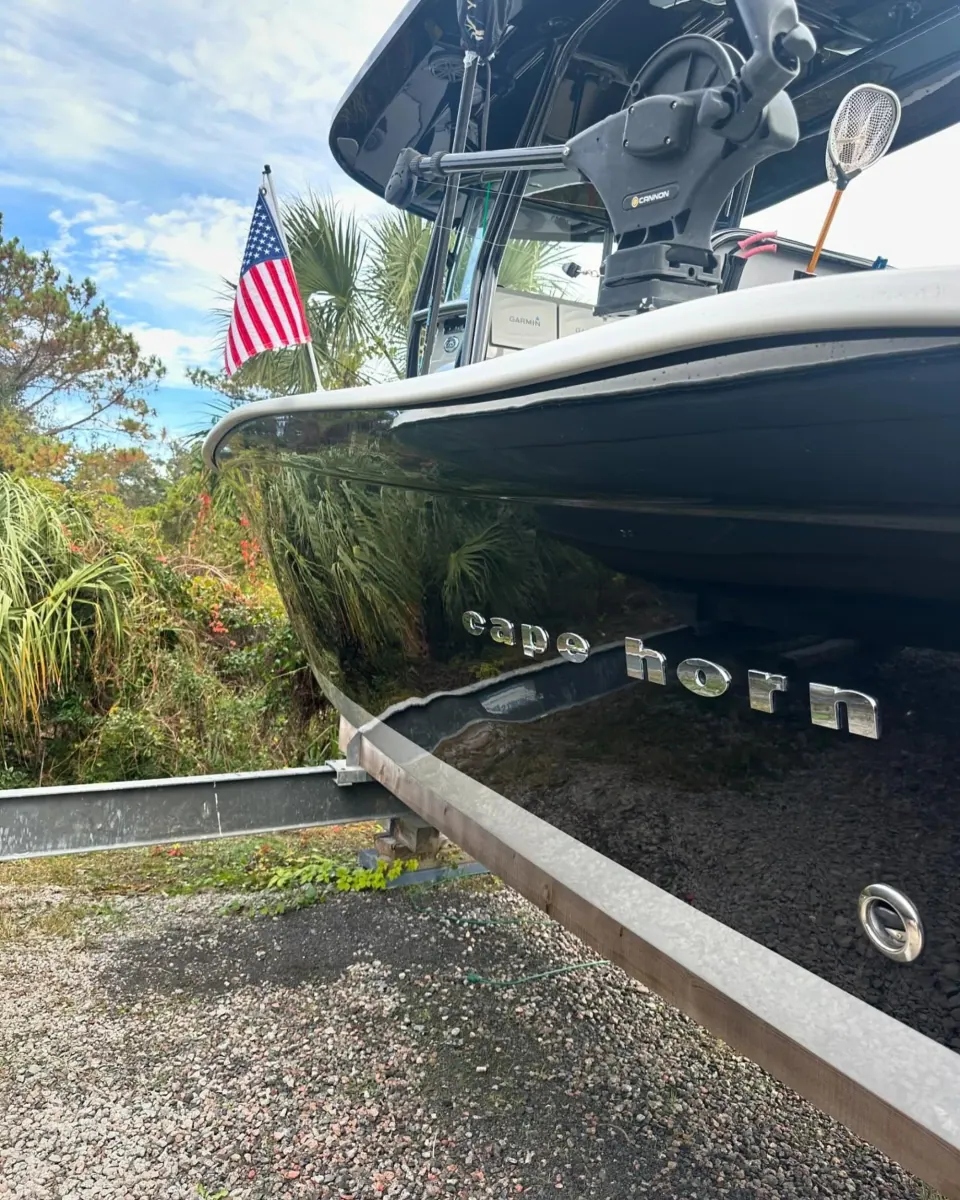
Choose protection after assessing the finish. A well-kept boat may need a clean and sealant. A dull hull may need correction first. Ceramic coating is a separate protection choice, with its own preparation and aftercare.
Start with what the boat needs today.
Look at the hull when it is clean. Is the finish still glossy? Does it look chalky, hazy or uneven? Are there visible surface marks? These observations help frame the conversation, but an inspection is the right way to decide how much correction the surface can take.
A fresh layer of protection should not be used to avoid that conversation. Ask what preparation is included in the quote and what improvement to expect from it.
Compare the work, not just the label.
| Your priority | Wash & wax | Ceramic coating |
|---|---|---|
| Current finish | Usually a finish already in good condition. | Condition is assessed; correction may be needed first. |
| Protection | Reel Clean’s service uses a polymer sealant on suitable surfaces. | Gtechniq marine coating, with the system specified in your quote. |
| Work location | Safe, permitted access to the surfaces being cleaned. | Suitable application and cure conditions as well as safe access. |
| Ongoing care | Regular cleaning and renewal of protection as needed. | Regular cleaning and product-specific aftercare. |
What does preparation involve?
For a coating, surface preparation can include cleaning, correction and removal of polish residue. Gtechniq’s marine application guidance calls for a properly polished, clean surface. The correction required depends on the boat; it is not a fixed number of polishing stages for every hull.
Read the manufacturer’s Marine Ceramic Base information for the product’s intended use and application guidance. Your detailing estimate should identify the actual system being proposed.
How long will it last?
There is no useful single answer without knowing the product and the boat. Storage, exposure, use and washing all affect expectations. Ask about the specific coating, its care instructions and any written terms that actually apply to your installation.
Be wary of treating “years of protection” as permission to stop washing. Protection does not eliminate salt residue, dirt or the need to look after the finish.
What should I send for an estimate?
Send the make and length, a few clear photos, the boat’s actual location and what you know about existing wax, sealant or coating. If you have a launch date, mention it early so preparation and curing can be planned around it.
Explore marine ceramic coating, wash and wax or gelcoat restoration. If you are unsure which fits, ask for an assessment first.